Always Advancing DATA and AI
MANTECH empowers talented individuals like you to make a profound impact.
Learn More

Thirty years ago, I started a data science firm, Elder Research; it grew to nearly 200 people and we recently joined MANTECH by acquisition. Both teams were motivated as we had partnered very successfully for years on vital national security projects. I am excited that together we can have an even greater impact on freedom around the world.
The key goal of our scientific work is to discover the truth. We (and our algorithms) pore through vast troves of past data to find patterns and relationships that might provide insight for treating similar cases in the future. Ironically, the more powerful our algorithms and more thorough our exploration, the more likely we will find relationships that are spurious and mistake them for real. This multiple-comparison weakness (amplified by automated search) is not widely understood.
Consequently, most published work is false – even articles in the most reputable scientific journals; their results can’t be replicated when the experiments are performed again. This is called the “Crisis in Science” and it hampers advancement in every field.
Fortunately, a technique I call Target Shuffling solves the technical problem; it corrects for multiple comparisons and much more accurately measures significance – the likelihood that your finding could’ve arisen by chance alone.
My goal is to share how to do this right as widely as possible!
I love learning from mistakes – mine and others’. (Worst practices are much more interesting than best ones, especially when they are subtle and inadvertent.)
The best chapter in my first book (www.tinyurl.com/bookERI) illustrated many error categories with real-world stories, but such tales necessarily get to the point ASAP: “We noticed odd thing1… and (after a lot of work) we realized we/they had done this wrong thing2…”
I see a need for a slim book with more practical detailed help on how to notice that something is off and diagnose the cause.
I have always worked hard and sought out a lot of great opportunities early. The gig that paid best was teaming with my brother to cut dozens of lawns regularly for years. The fanciest lousy job was an internship at the Smithsonian.
The biggest company I worked for was Texas Instruments between my BS and Masters EE studies at Rice University.
I was most inspired technically working 3 summers in the 1980’s for Adaptronics, a very early analytics company in NoVA. My great bosses treated me as one of the team, and I’ve continued that by regularly hiring interns to do real work ever since.
But the most meaningful job was being on staff at Goshen scout camps. I lived for months in a tent and taught rifle and archery, which I love, and helped lead some wilderness survival excursions. I had greatly respected many staffers I’d met as a scout and now, somehow, I was one myself. If you’ve met me, it’s not hard to believe that I had been the class clown sort. A summer working outdoors, with no one who already knew me, let me recalibrate to be more responsible (Turns out, it’s valuable to be able to turn off disruptive humor-generating machinery on occasion).
Great technology is essential for success, but not sufficient.
When working in Data and AI, your “soft skills” of being able to speak human, “read the room”, etc. are just as important as your statistical and programming skills. At least someone on the team must excel in people skills or the project will not succeed – whether by not listening, missing the true goals, not building trust in the solution, or a dozen other hazards.
Also, be alert that different parties may be dealing with very different goals or fears. Will this project make me irrelevant? Or look like a fool? (Or a crook?) To get on the same page (and to know what that page should be) requires much more talking together than most technical folk are comfortable with!
Having foremost a heart of service is key; care about the other person and their needs more than you do your own and people will see that and respond well.


The key goal of our scientific work is to discover the truth. We (and our algorithms) pore through vast troves of past data to find patterns and relationships that might provide insight for treating similar cases in the future.
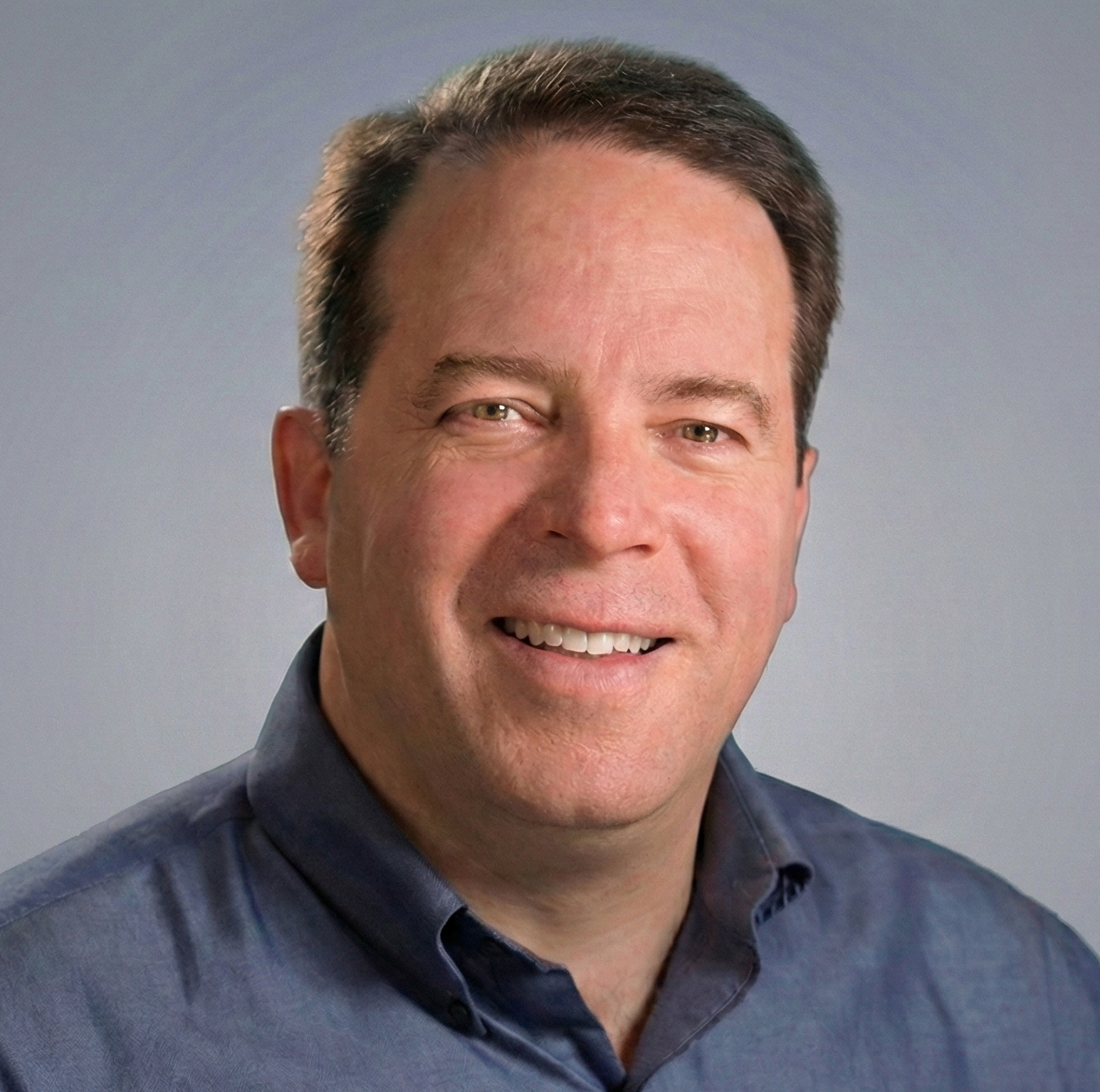
Vice President and Technical Fellow for Data Science

MANTECH empowers talented individuals like you to make a profound impact.
Learn More
View our Careers page to see all career opportunities and benefits at MANTECH.
View Career Opportunities